LumaSynchrony
Light, Sound, Love, and Obsession
A Novel Exploring the Future of Expression, Creativity, and Responsive Technology
LumaSynchrony is a science fiction novel that explores what happens when sound, light, movement, space, and intelligent systems begin to merge into a new form of creative expression.
She thought she was simply “designing a session,” but what she was really doing was remembering something older than language: that imagination itself is sacred, and must never be held hostage by execution.
-LumaSynchrony: Light, Sound, Love and Obsession | By Kentyn
About the Book:
LumaSynchrony follows M, a gifted artist and technologist shaped by a quiet observation about how people express themselves. Everywhere she looks, media is no longer just something we watch or hear—it has become a way to speak. People document, respond, remix, and create in real time. Traditional forms still matter, but something new is emerging alongside them. Expression is becoming participatory, immediate, and immersive.
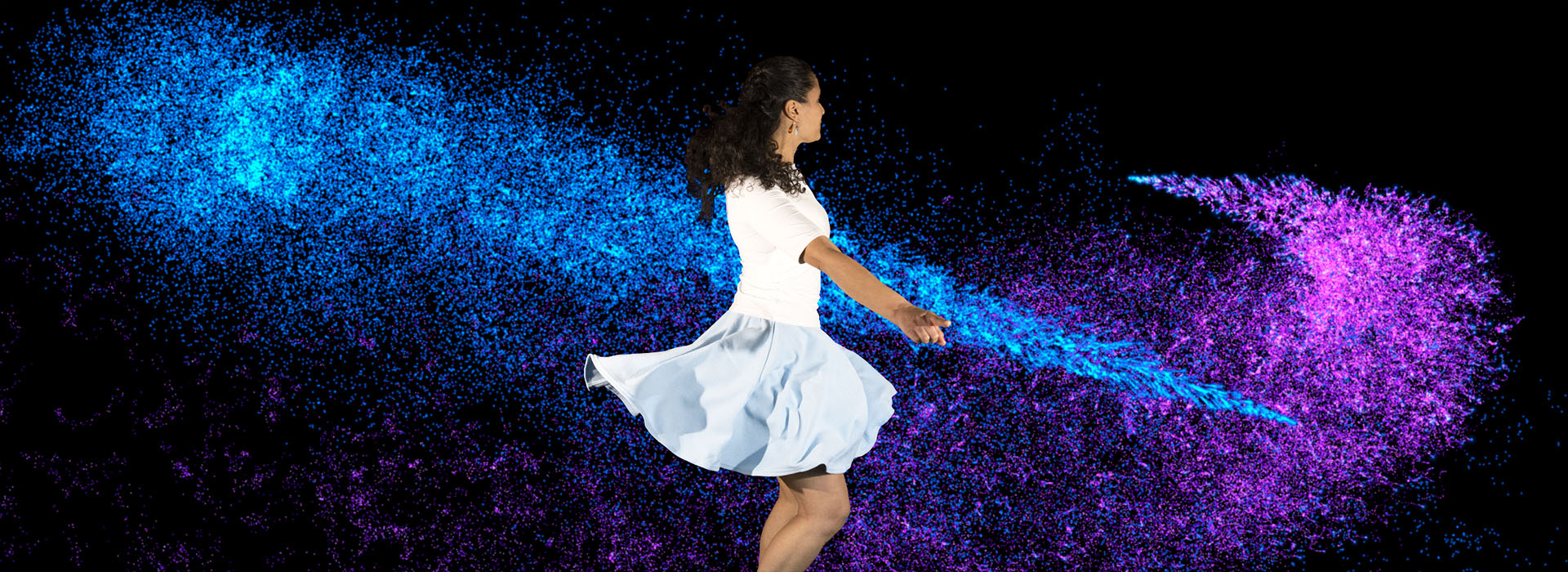
At the center of the story is M, an artist and technologist who imagines a future where immersive environments do more than display media. They listen, respond, remember, and participate. What begins as an artistic experiment gradually evolves into a deeper exploration of creativity, awareness, collaboration, and the relationship between humans and technology.
While LumaSynchrony is a work of fiction, many of the ideas explored in the book are grounded in real-world developments across immersive audio, animation, performance design, spatial computing, interactive systems, artificial intelligence, and responsive environments. The novel serves as both a story and an invitation to consider where these technologies may lead.
Underlying the narrative is a broader question:
What happens when expression is no longer confined to screens, speakers, instruments, or stages?
As sound becomes spatial, light becomes dynamic, environments become responsive, and technology becomes increasingly collaborative, new forms of communication begin to emerge. LumaSynchrony explores the possibility that music, movement, light, design, animation, and performance may eventually converge into a shared language of expression.
The ideas presented throughout the book continue beyond its pages. LumaSynchrony is also an ongoing artistic, philosophical, scientific, and creative exploration of how humans and technology might collaborate to create experiences that are immersive, participatory, and alive with possibility.
Whether encountered as a novel, an audiobook, or a framework for imagining the future, LumaSynchrony invites readers to step inside a world where space becomes an instrument, creativity becomes interactive, and expression unfolds through relationship rather than repetition.